



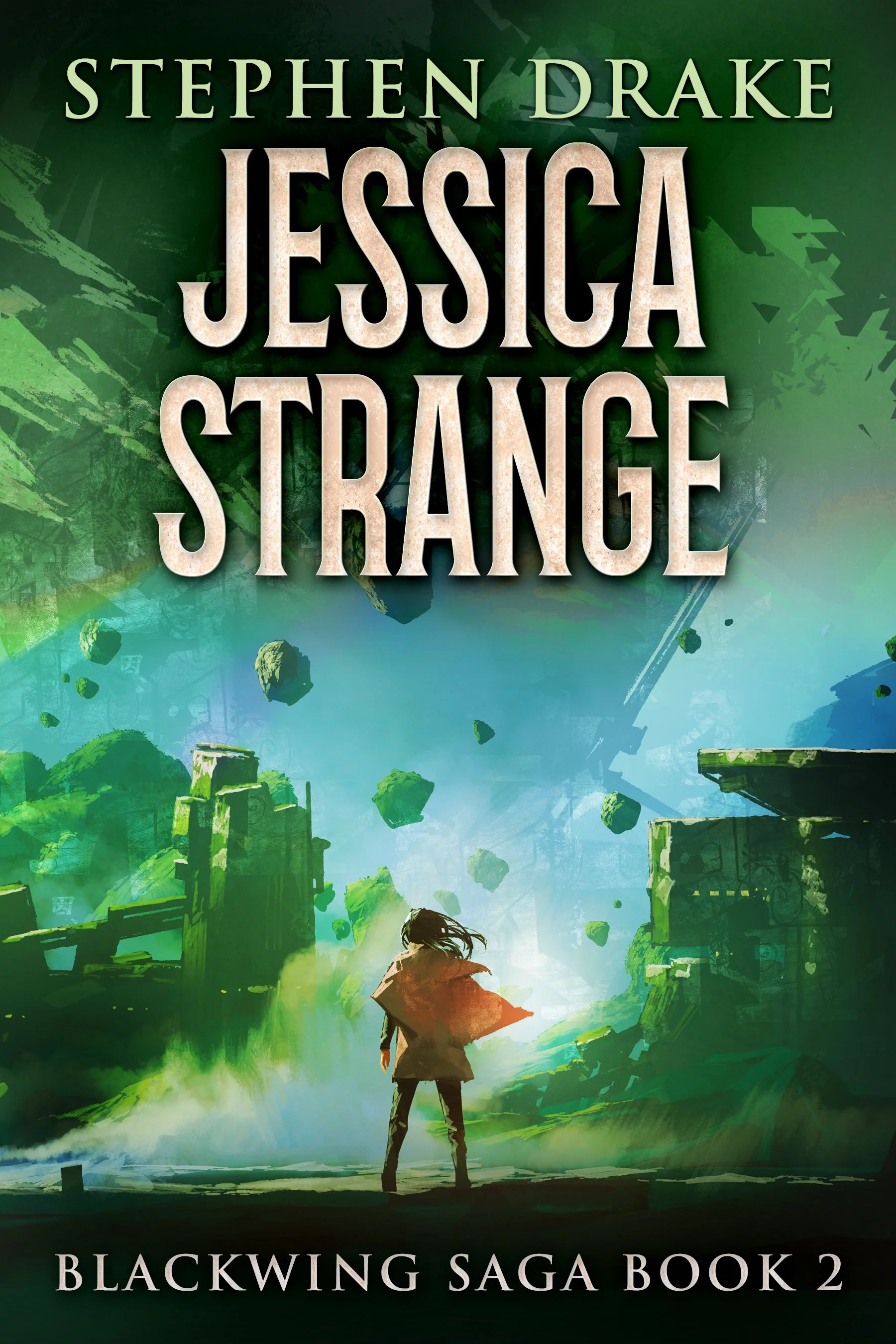
Surviving the Event: Rediscovering Humanity in a Post-Apocalyptic Frontier
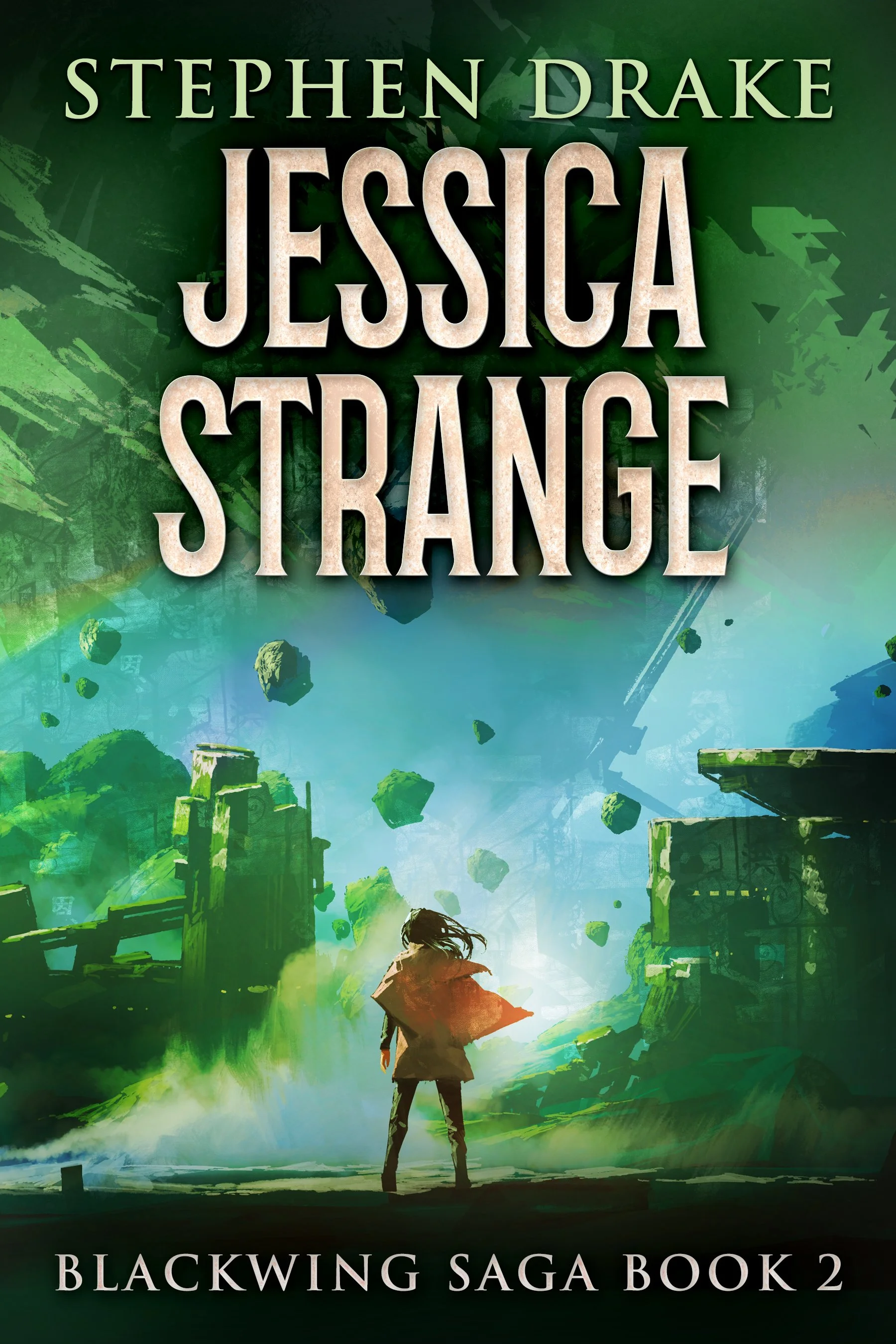
In the fractured world of Jessica Strange, survival is no longer about power or politics—it’s about meaning. The Event has stripped away civilization along the West Coast, leaving behind the bones of a once-thriving society. Tacoma, Washington, now a battered enclave on the Pacific edge, stands as a relic of order amidst chaos. And within it, Jessica Strange—a woman shaped by duty, loss, and instinct—tries to navigate a new kind of wilderness.
What does it mean to live after the collapse? For Jessica, the question isn’t just philosophical; it’s visceral. Once a police officer and ambassadorial liaison, she carries the weight of systems that no longer exist. Her husband, her past, her sense of belonging—all have been erased by the Event. What remains is a restless will to act, to hold a gun when the world no longer offers structure or sanctuary. The apocalypse, here, feels less like an explosion and more like an unending silence—one in which every step forward requires redefining what it means to be human.
Amid the dust of this new Wild West, the government’s reach returns in the form of a strange offer, one that binds Jessica once again to a power she thought she’d escaped. The discovery of two mysterious beings beneath Q’estiria—a place that hums with the residue of ancient technology and alien mystery—reopens old questions about the boundaries between science, faith, and fear. These creatures, communicating through runes and silence, force humanity to confront what it has become in the absence of civilization.
The heart of Jessica Strange lies in this tension: the collision between what was lost and what still endures. The novel’s landscape mirrors Jessica’s internal one—scarred, unpredictable, yet capable of renewal. Every choice she makes echoes the struggle to reclaim compassion in a world built on survival. The violence, though constant, is never hollow; it is tempered by the fragile persistence of memory and moral instinct.
In Stephen Drake’s vision of the year 2074, the apocalypse is less an end than a mirror. Jessica’s journey through desolation and discovery reflects humanity’s enduring capacity for reinvention, even when stripped of its certainties. The story asks whether redemption can exist without society to define it—and whether the remnants of love, loss, and courage can still guide us through the dark. The answer, like the runes carved deep beneath Q’estiria, waits to be deciphered.

Sed purus sem, scelerisque ac rhoncus eget, porttitor nec odio. Lorem ipsum dolor sit amet.