




When Memory Is a Maze: Navigating Trauma Without a Map
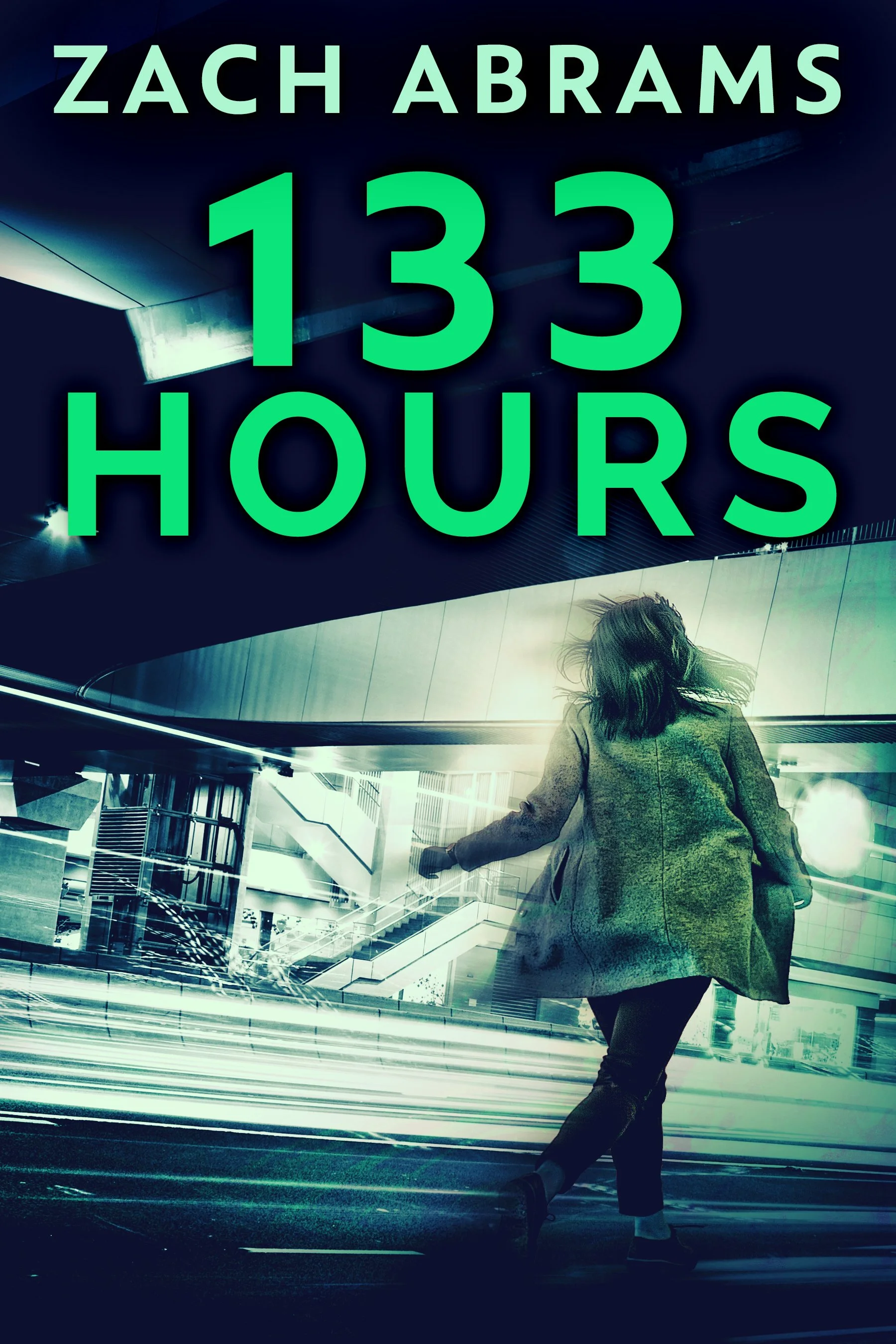
What does it mean to lose time—not in the casual way of drifting through a lazy afternoon, but truly, terrifyingly lose it? When Briony walks into work and realizes she’s been absent for over five days without any recollection of where she’s been or what has happened, her sense of self fractures. Time becomes not just a blank space, but a looming void filled with the possibility of horror. Her journey from bewilderment to revelation forces an unflinching gaze into the heart of psychological trauma and the unnerving fragility of memory.
The fear of not being able to trust your own mind is among the most isolating of human experiences. Briony’s reality blurs as she begins to question whether her pain stems from mental illness, a physical breakdown, or a violent intrusion by others. Each possibility carries its own brand of terror. Her uncertainty is not only about what occurred, but whether she can even believe the fragments of memory that begin to surface—visions so disturbing they seem like intrusions rather than recollections. In that landscape, doubt becomes the dominant language, and every relationship is shadowed by the question: who was I with, and what did they do to me?
Yet Briony is not entirely alone. The human instinct to seek truth pulls her forward, bolstered by the careful support of friends and strangers alike. As her past is slowly reconstructed—through medical evidence, personal confessions, and the unveiling of long-held secrets—the tangled connections between betrayal and identity come into view. The revelation that her own father’s past decisions and betrayals are entangled with her present suffering adds another layer to the story’s emotional weight. Memory loss, it turns out, is not the only kind of amnesia affecting her life; there are also the carefully buried truths families hide in the name of protection.
This narrative explores more than just a crime or a mystery. It delves into the psychological aftermath of trauma, the invasive power of suggestion, and the vulnerable space between perception and reality. Briony’s story raises unsettling questions about autonomy, trust, and the ethics of memory manipulation. And in the end, recovery doesn’t come in the form of closure, but in cautious steps forward—a pregnancy, a repaired relationship, a planned reunion with a lost family.
The scars don’t vanish. But the act of piecing together a life torn apart—hour by missing hour—is its own form of resilience.


Sed purus sem, scelerisque ac rhoncus eget, porttitor nec odio. Lorem ipsum dolor sit amet.