



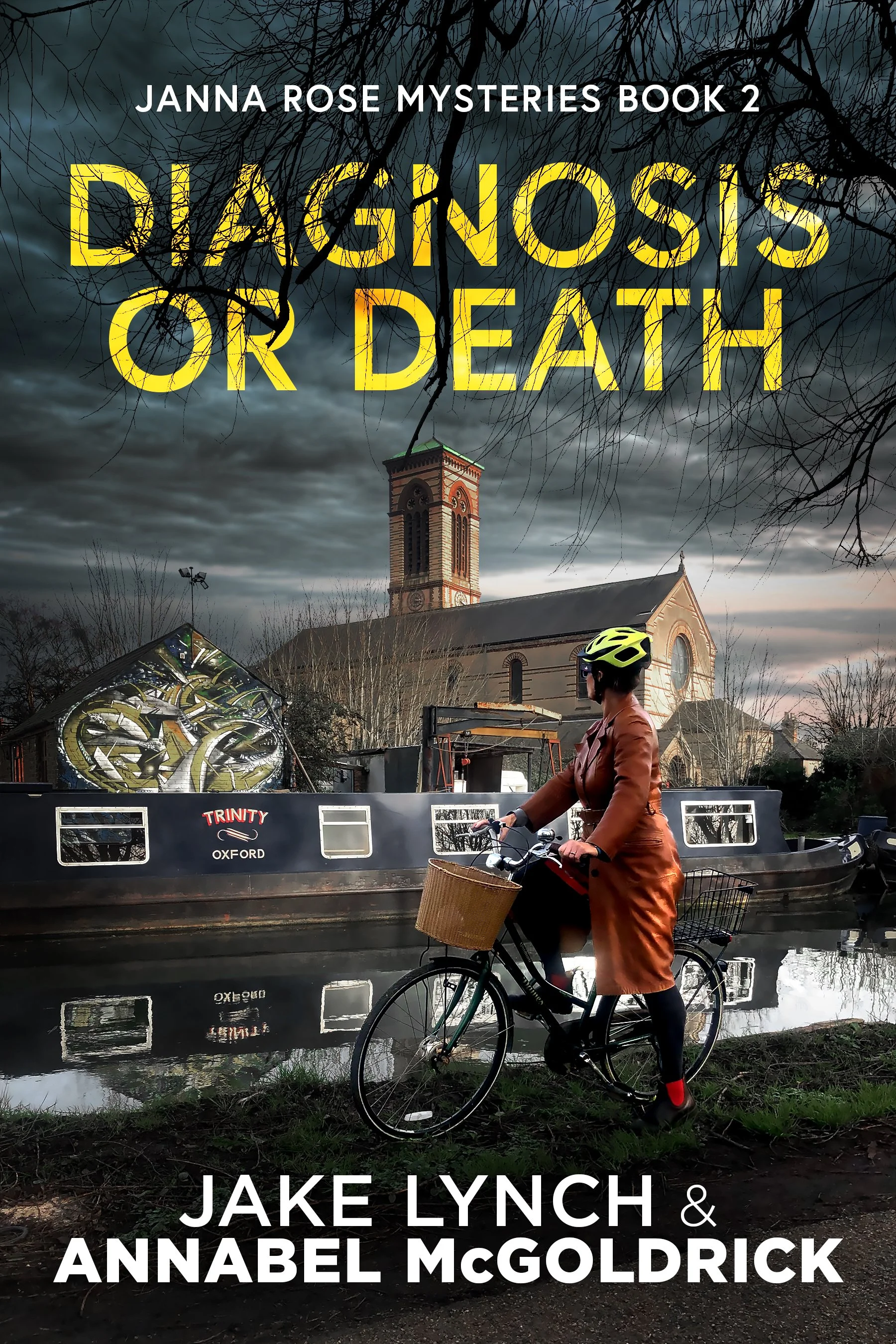
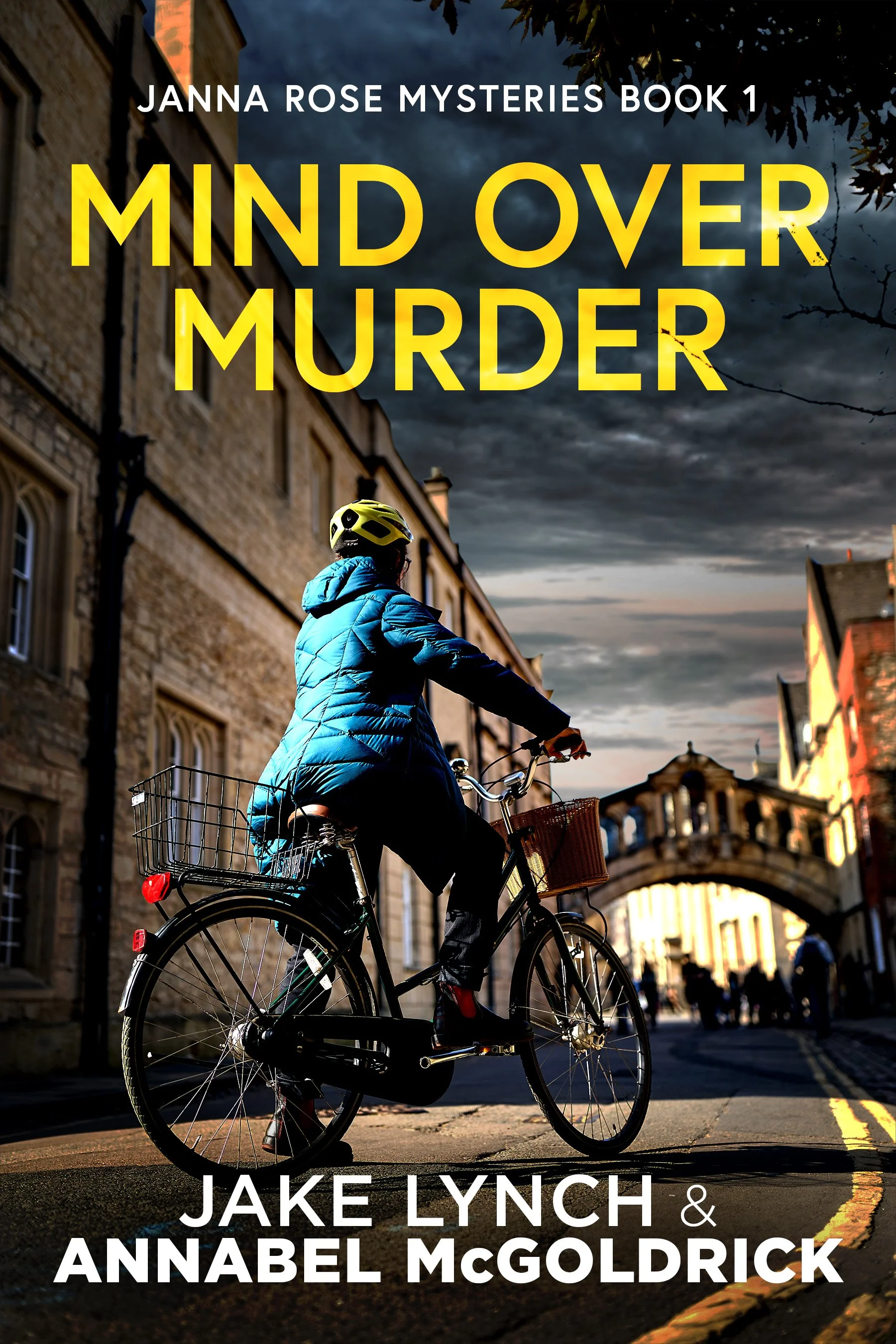
Diagnosis or Death (Janna Rose Mysteries Book 2)
A Gripping Psychological Thriller Where Truth Can Be Fabricated
Janna Rose returns in a tense, thought-provoking mystery that blends psychological insight with the unsettling power of Artificial Intelligence. Now qualified in psychology and working to assess benefit claimants, the former Oxford journalist finds herself under pressure to meet questionable targets—just as a colleague’s suspicious death is ruled a suicide.
Unconvinced by the official verdict, Janna begins to dig deeper, uncovering a dangerous network where deepfake videos are used to manipulate, coerce, and discredit. As reality becomes increasingly distorted, she is drawn into a world where identity is uncertain and powerful figures operate behind the scenes for profit.
Using her understanding of human behavior, Janna must untangle a web of deception involving blackmail, hidden identities, and systemic corruption. But as she gets closer to the truth, she becomes a target herself—and in a world of manufactured evidence, proving innocence may be harder than ever.
Perfect for readers of intelligent crime fiction, Diagnosis or Death is a sharp, suspenseful continuation of the Janna Rose Mysteries, praised for their originality and psychological depth.
Discover the truth behind the lies—get your copy of Diagnosis or Death today.
Excerpt from the book
A Master’s in Psychology was supposed to be a feather in my cap. As it turned out, the toil of earning it from Wolves Uni was nothing compared with the trouble it went on to cause.
Was it a warning sign at the graduation ceremony that I couldn’t get the tassel on the mortarboard to stay in place, dangling over the left front edge, without it tickling my nose? Then, the gown reserved for me turned out to be two sizes too big. Maybe it was supposed to billow out behind a broomstick.
You could probably fly one in the venue, cavernous Wulfrun Hall. According to a leaflet I picked up on the way in, bands had filled it for decades, including old favourites like Pulp and Tori Amos. Those same tours probably took them straight on to Reading, where I did my BA in Eng Lit. Back in the day.
I’d sallied forth from my ground-floor flat near Oxford railway station that morning to catch the Wolverhampton train for the first time. Study was all online, completed from go to whoa in a year and a half at the bargain price of just over seven grand.
I could have opted to attend classes on site, which would have meant visiting the city in person, but up to now I’d somehow resisted the temptation. In fact, once I sat down to plan my visit – and shelled out fifty quid for the day return, blimey – I realised I knew virtually nothing about the place.
So to walk from the station through spring sunshine was to enjoy (if that’s the right word) a sudden access of understanding. Brown Victorian brick-piles, the Chubb Lock factory and Britannia Hotel loomed on either side. Further on? Various other distinguished-looking buildings, once shopping arcades, seemingly, but all boarded up. A bronze likeness of Albert, Victoria’s Prince Consort, gazed glumly down from horseback towards signboards announcing an improvement scheme that would deliver “a welcoming and enjoyable environment in the heart of our city.”
For now, it seemed the good burghers would have to make do with a chorus of jackhammers, stripping out a blocked-up road. It would make way for a pedestrian precinct. Sign of the works beginning, at least. In order to create, one must first destroy, isn’t that the proverb?
Queuing through the foyer for entrance to the hall itself, I noticed a big brass cross mounted on the wall above the door. A book, candle and padlock nestled in the crooks formed by the angles, along with some blobby thing I couldn’t identify. “Cometh light out of darkness,” a circular surrounding text proclaimed, as if picking up the general theme. As dusk had fallen on the city’s industrial heyday, the university itself was evidently supposed to cast a ray of economic sunshine.
Sed purus sem, scelerisque ac rhoncus eget, porttitor nec odio. Lorem ipsum dolor sit amet.