



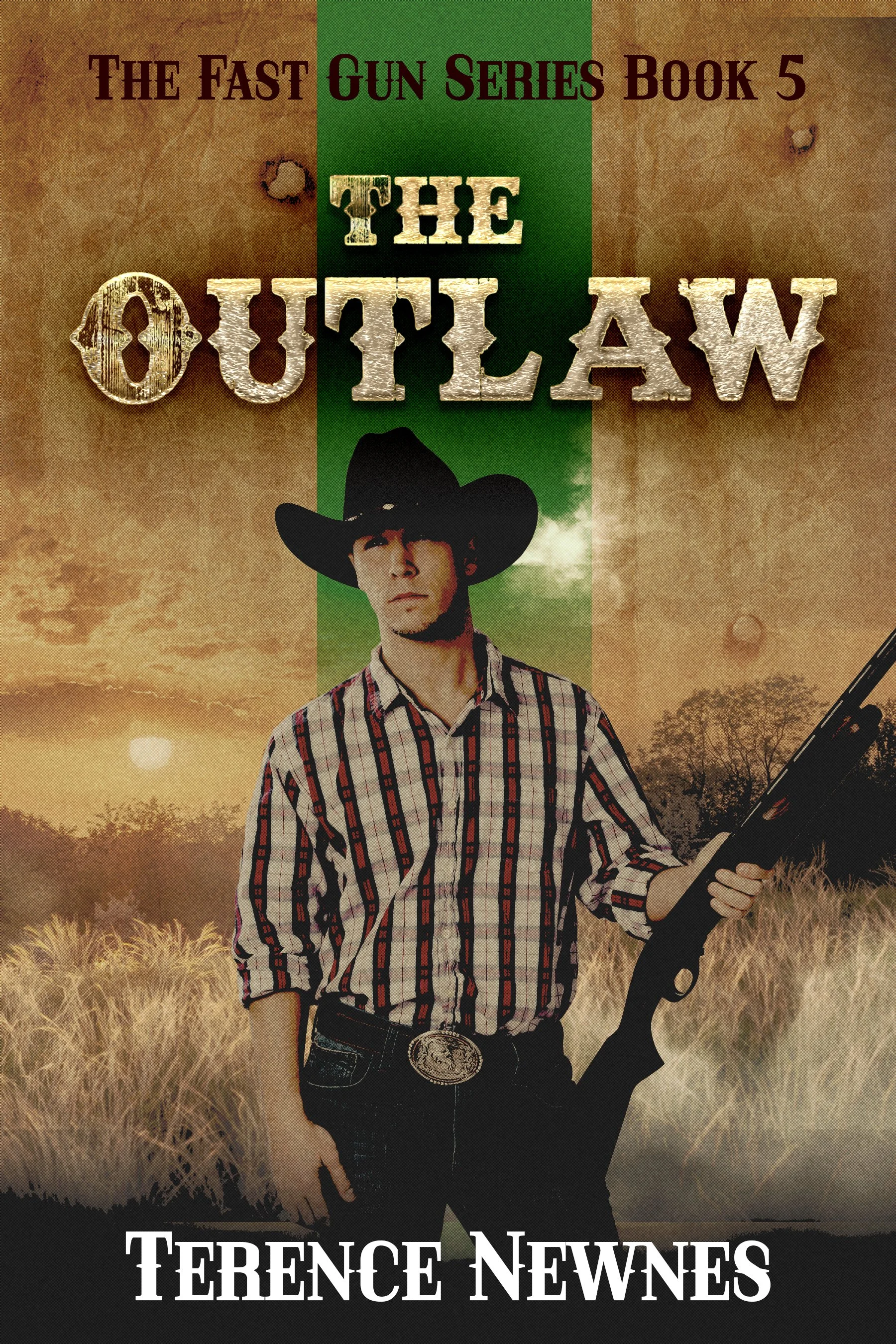
The Outlaw (The Fast Gun Series Book 5)
A Reckoning on the Trail: The Outlaw
Cole Lee has lived a life defined by the gun—from avenging his parents as a boy to riding the unforgiving trails of the American frontier. Forged by hardship and war, he’s drifted from the plains of Texas to the gold fields of Colorado, always moving, always hunted—until now. Branded an outlaw after the Civil War, Cole’s only goal is to return to the ranch he built in Nebraska’s Sandhills. But with enemies behind him and uncertainty ahead, peace is hard-won.
On his journey north, Cole crosses paths with two families and a woman named Kitty who stirs a longing he thought long buried. Together, they face danger on the open prairie and glimpse the possibility of something more than survival. Yet the past doesn’t release its grip easily. To find a future, Cole must first be free of the past.
Book five in The Fast Gun series, The Outlaw is a vivid, character-driven Western set against the sweeping backdrop of a restless America—where justice is uncertain, loyalty is tested, and redemption is earned one mile at a time.
Start reading The Outlaw today and ride with Cole Lee on his most personal journey yet.
Excerpt from the book
Cole Lee was tired and dusty as he rode into the small town of Pinacate, twenty miles southwest of Waco, Texas. He walked his horse down the rutted and dusty main street until he came to a clapboard building that had Oasis Saloon painted on it. He swung down from the saddle wearily and tied his horse to the hitching rail in front of the building. He was thirty years old, tall, standing six feet three inches in his socks, broad-shouldered, with a deep chest and muscular arms. He weighed around two hundred and twenty pounds, most of it in his chest and shoulders. He had brown hair and dark brown eyes with a hint of hazel. He was square-jawed and clean-shaven, although now there was stubble along his chin. He stretched to ease his muscles, took off his flat-brimmed black hat, and did his best to beat the dust off his clothes with it. He had been riding almost nonstop for three days with only small breaks to rest his horse and sleep. There was no boardwalk, and the town consisted of eight buildings, most of them built with clapboard and tarpaper. He noticed an adobe building opposite the saloon with a large sign that read Sheriff in capital letters.
He walked into the saloon and a glance around told him there were only three men sitting at a table playing cards. The barkeep, a lean, tall man in his forties, was languidly polishing glasses behind the bar. Cole walked up to the bar and ordered a double shot of whiskey. “Rye, if you have it,” he added. The barkeep limped over, poured the drink, and said conversationally, “They call me Bronco because I’ve busted a lot of wild horses before one finally busted me.” Cole asked, “Horse fall on you?” Bronco smiled and replied, “Threw me and then tried to stomp the life out of me. That horse was a pure-dee killer!” Cole downed his whiskey, sighed, and said, “Another, please. That sure does cut the dust from my throat!”
Bronco poured him another and said, “You’ve come a long way, but this burg don’t have no hotel if that’s what you’re looking for.” Cole shrugged and remarked, “I reckon I’m so used to sleeping under the stars that I wouldn’t sleep right surrounded by four walls.” Bronco leaned on the counter and said, “This town was started by the family who owns the biggest farm around here. I reckon they figured to be like one of those English barons or lords and have their own town. The Sheriff’s office and the bank were built by them.” Cole remarked, “The rest of the town don’t look like much.” Bronco told him, “There’s four small farms besides the big one, so business ain’t all that hot. The Ellis family owns the big farm and they’re wealthy. They have fields of cotton and corn and they’re the biggest employer around here, so I reckon it made sense to them to have a town for their people to spend their money.” He paused and then added, “Makes sense because most of that money finds its way back into their pockets from this town since they own the grocery and clothing stores.”
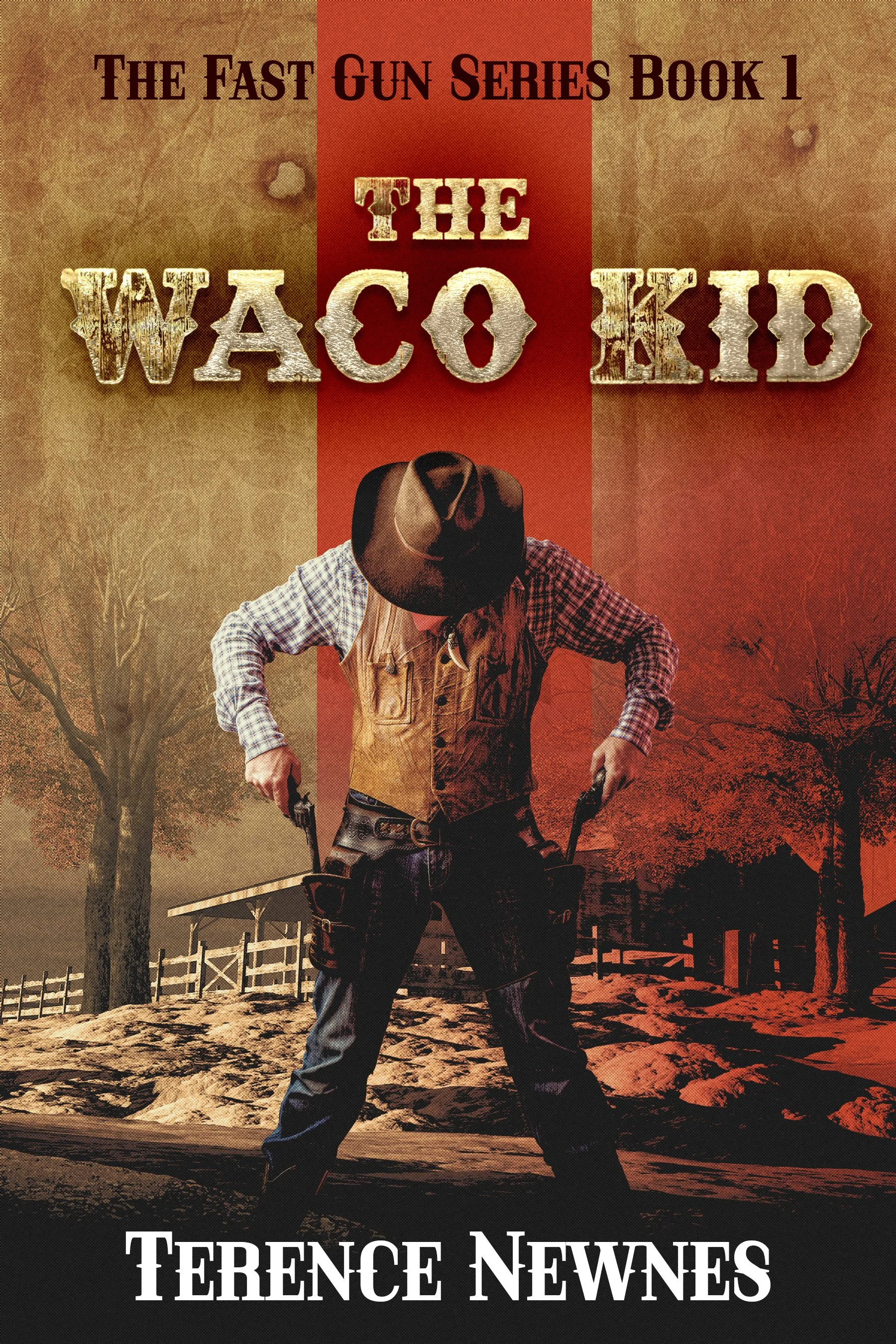
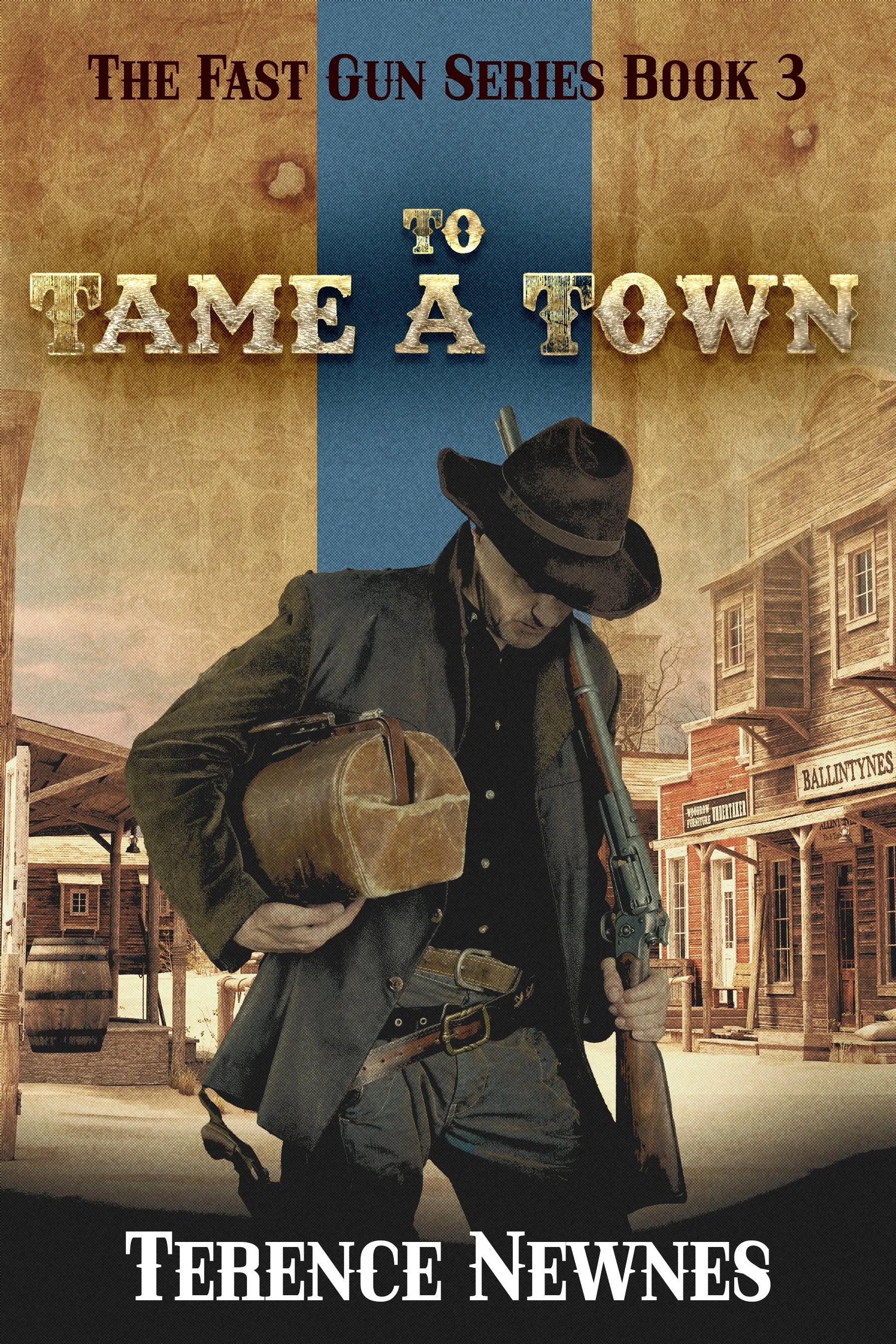
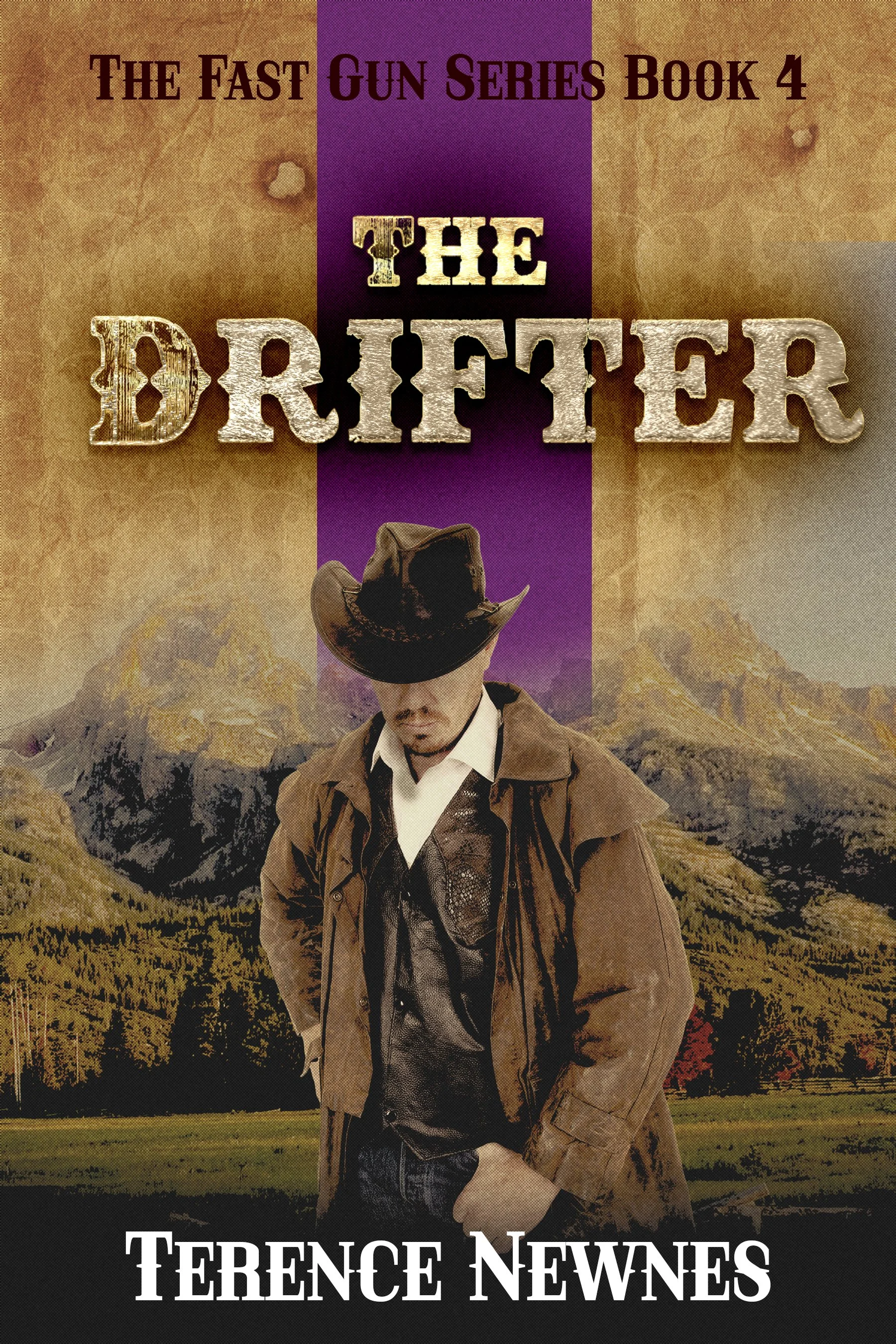
Sed purus sem, scelerisque ac rhoncus eget, porttitor nec odio. Lorem ipsum dolor sit amet.