



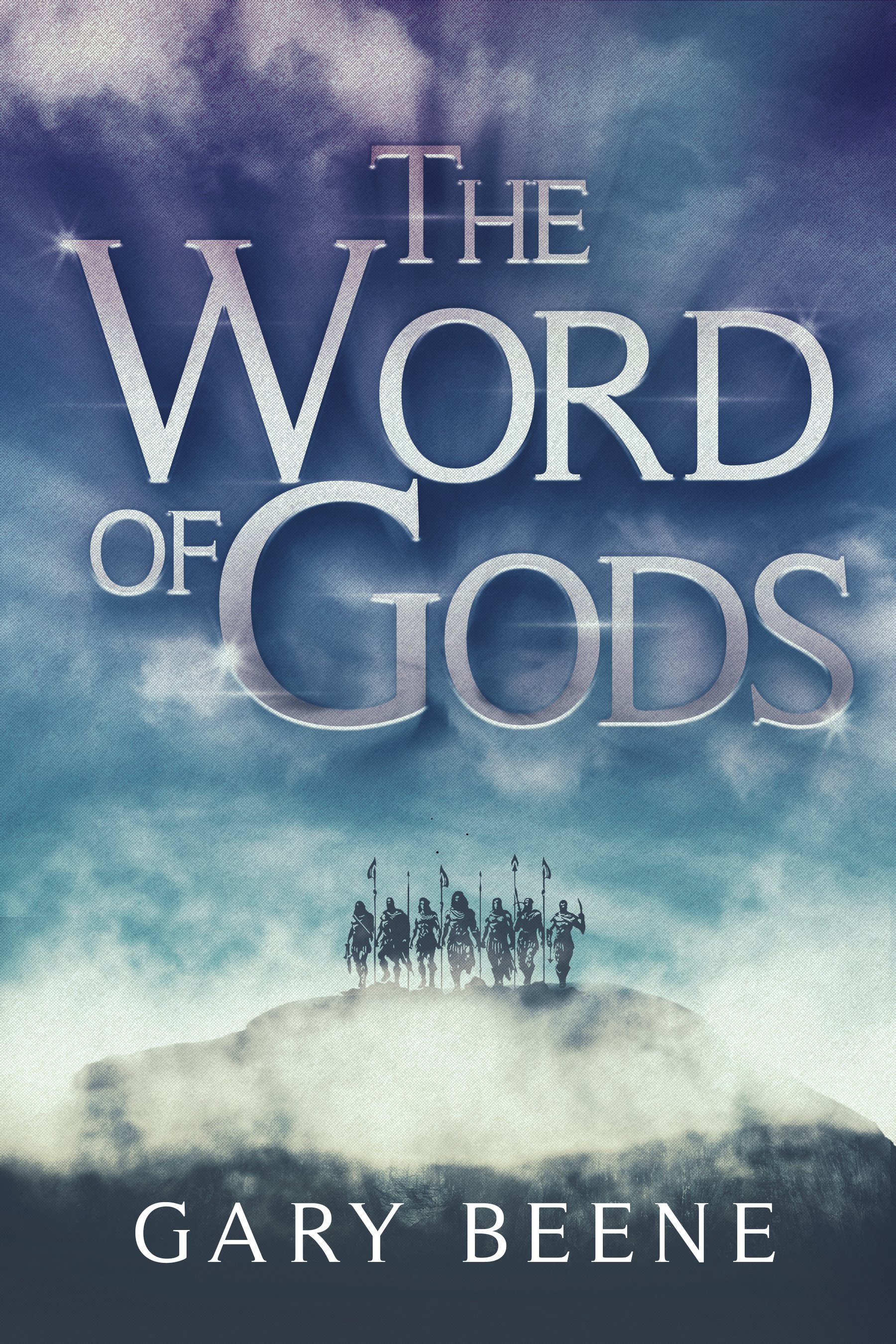
The Word of Gods
The Word of Gods
From prehistory to the twentieth century, The Word of Gods explores humanity’s long and uneasy relationship with the divine. Across six short stories, the book imagines how different peoples heard the words of their gods, preserved them through ritual and writing, and transformed them into sources of authority, identity, and power.
As mysticism becomes orthodoxy and belief becomes a tool of leadership, these stories trace the ways sacred words can shape cultures, guide destinies, and be used in ways no god may have intended. Thoughtful, atmospheric, and historically expansive, The Word of Gods is a collection about faith, ambition, and the enduring power of the stories humans tell in the name of the divine.
Discover The Word of Gods and follow the voices of many gods through the ages.
Excerpt from the book
Circa 11,400 years ago
Tsing was not the biggest man in the Clan. He was bigger than most. The Clan began following Tsing after his uncle died. The Clan had followed Tsing for six of the sun’s hot seasons. He knew how to hunt, as did all of the men in the Clan. He knew how to fight. All of the men and most of the women of the Clan knew how to fight, too. They fought with each other sometimes, but not much. They practiced fighting for fun. They practiced fighting because sometimes they had to fight Others.
The Clan did not follow Tsing because he was the biggest, or because he knew how to hunt, or because he knew how to fight. The Clan followed Tsing because he knew where to go, and because he knew when to go. Tsing knew where to go and when to go because he knew how to read. He could read the animals’ marks on the ground. He could read the clouds in the sky. He could read the bushes and the trees. Because he knew how to read, he understood where to find animals they could hunt, where to look for large animals that had only just died, where to find fruit and nuts, and where to find fish in shallow water. The Clan followed Tsing because he could read and because he understood these things.
Tsing had a woman. The Clan called her Mok. As Tsing understood where to go and when to go, Mok understood how to go. Tsing would tell Mok when he had read the skies and knew that the river with green water would be swollen beyond its banks for two days. He knew where to find the pools of water beyond the river’s bank that would hold stranded fish.
Mok would organize the Clan’s move across the grassland plain and into the valley. Mok understood how. She understood how to carry the fire, how to move the camp, its tools, and its people. Mok knew how to get the Clan to the river in two days.
Tsing knew where and when; Mok knew how. The Clan followed Tsing and Mok. They hunted, fished, and gathered food at the end of each journey.
Two round moons after each year’s long day, the Clan went to the Grove. There they would find the trees heavy with fruit. They would dry the fruit and save it for the cold days with long nights. At the Grove, the Clan also found nuts that could be cracked and eaten with the dried fruit when the nights were long. While the Clan gathered the fruit and nuts, they would eat the berries and melons of the vines and bushes that grew on the river’s edge. The people of the Clan spat the seeds on the ground and covered them with dirt. The Clan stayed at the Grove for one full change of the moon.



Sed purus sem, scelerisque ac rhoncus eget, porttitor nec odio. Lorem ipsum dolor sit amet.