



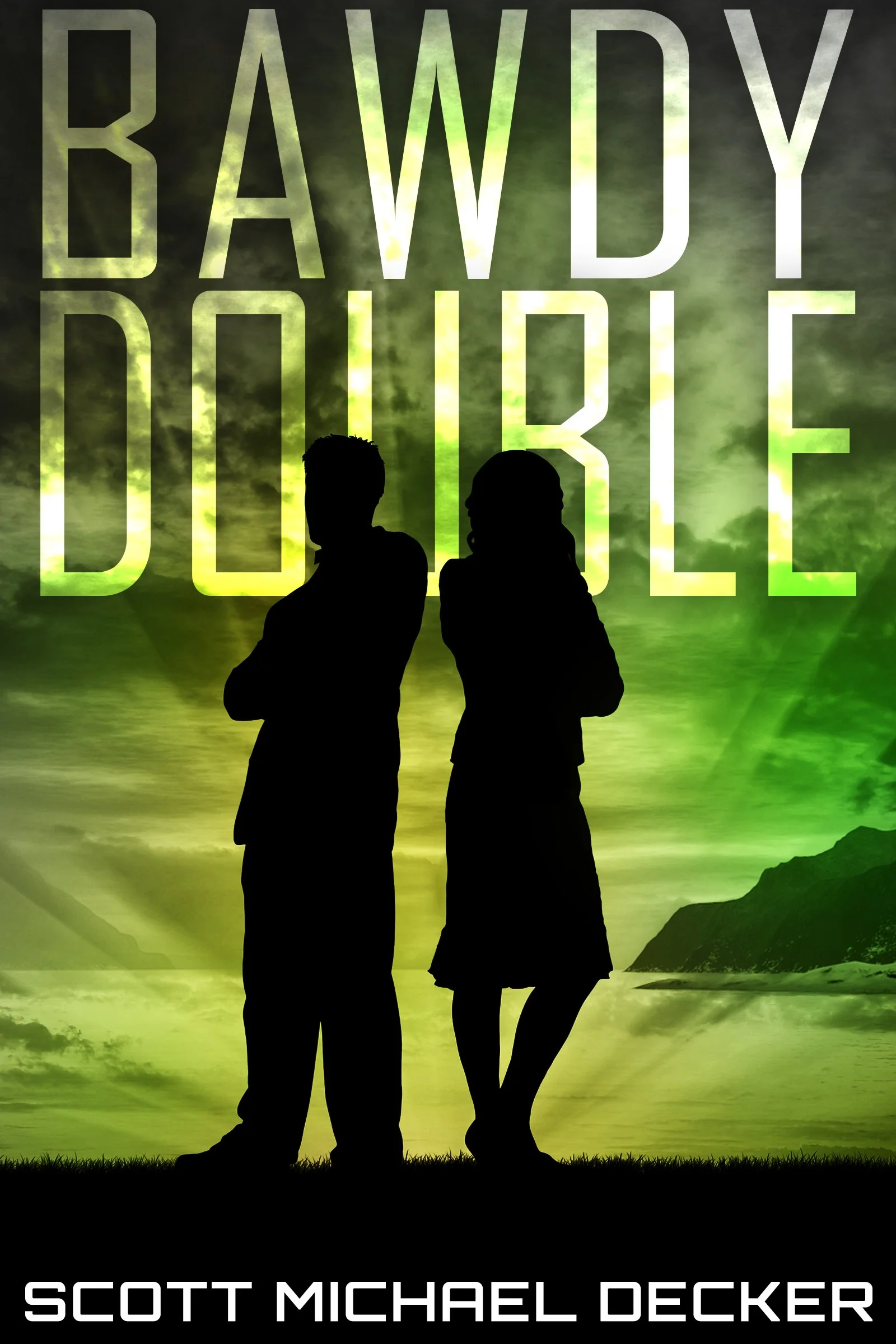
Science Fiction Intrigue: Identity and Transformation Across Galaxies
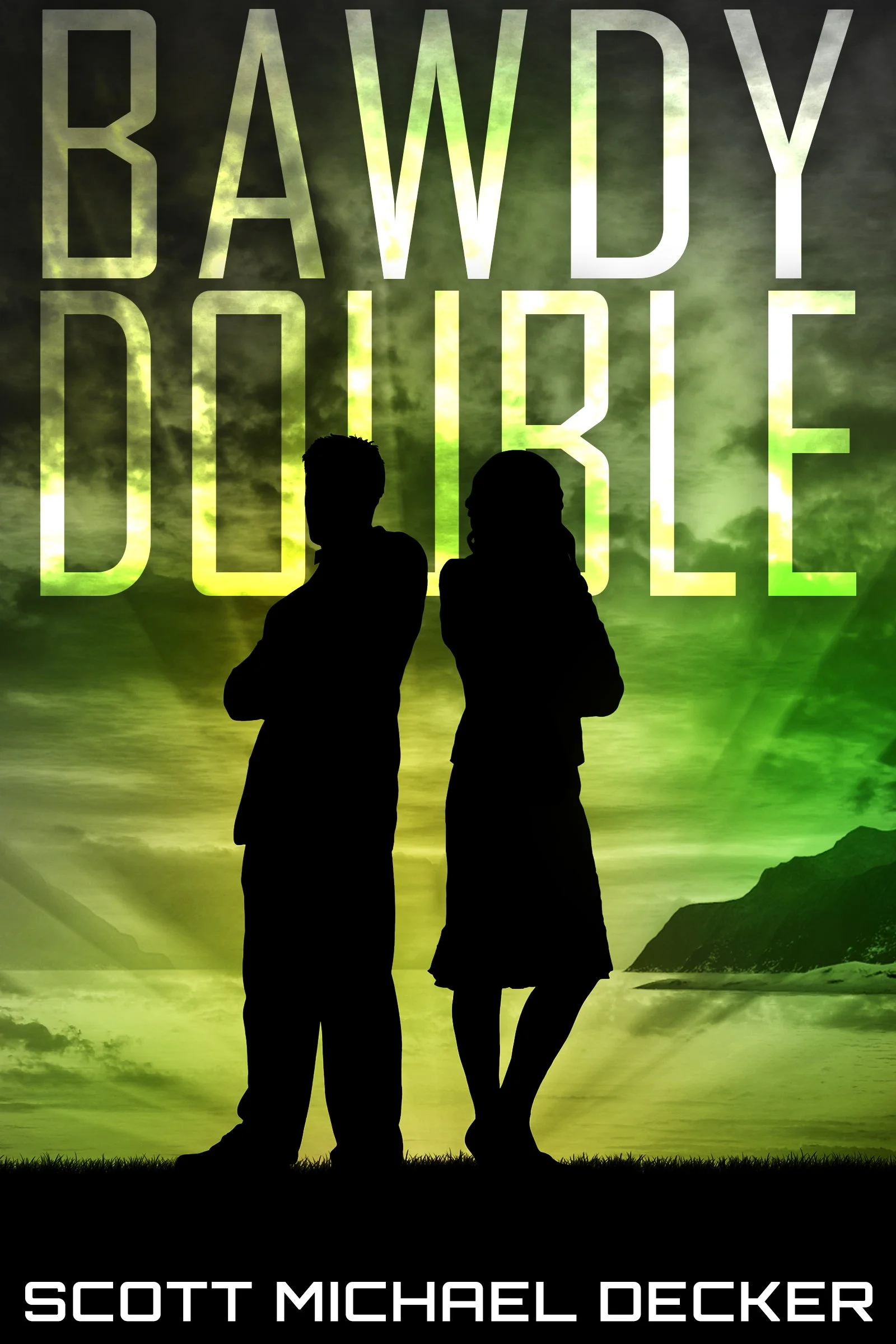
Under the veneer of political maneuvering and cosmic warfare lies a deeper pulse in Bawdy Double—the questions of who we are when our origins are engineered, and how identity shifts when the familiar breaks down. From the Premier’s daughter devoid of discernment to the Admiral’s son thrown into reckless abandon, the novel invites us into a galaxy built on illusion and mutation, where transformation isn’t metaphorical—it’s literal.
At the heart of the story is the mutaclone concept, which forces characters (and readers) to reckon with the fragility of selfhood. The doctor, drawn unwillingly into the maelstrom, becomes a witness and participant in the fracture of personal boundaries. When she discovers that two marquee scions are not who they appear to be, the foundation of power, lineage, and trust destabilizes. In worlds where identity can be engineered or overwritten, who holds the authentic version? Whose memory matters? Through this lens, transformation becomes not just a physical mutation, but an existential shift.
The political stakes—kidnap, sabotage, escape—only magnify the drama of internal change. The doctor flees into the stronghold of her foes. That journey is less about geographic distance than psychological dislocation. To survive in that stronghold is to confront mirrors of yourself you never wished to see. To traverse that distance is to risk losing the anchor of your former identity. The doctor’s love, likewise endangered, underscores how connection is threatened when one’s ground is shaky.
There’s also the tension between inherited role and personal agency. The Premier’s daughter and Admiral’s son are born into vast expectations and privileges, yet their bodies and choices rebel against those very roles. Their downward spirals aren’t simply plot arcs—they’re protests against a preset destiny. Meanwhile, the doctor must choose whether to mold or resist the forces that would define her. Transformation here is not passive—it’s a battlefield for autonomy.
In writing this, Scott Michael Decker shapes a cosmos where mutation is both weapon and metaphor. The violence done to bodies mirrors the violence to identity; the alliances that shift are reflections of souls in motion. The journey across the galaxy maps onto the inner journey of characters who must outgrow their origins, even when those origins threaten to consume them. In Bawdy Double, intrigue becomes the vessel through which identity becomes unsettled—and through that unrest, profound renewal might emerge.




Sed purus sem, scelerisque ac rhoncus eget, porttitor nec odio. Lorem ipsum dolor sit amet.