



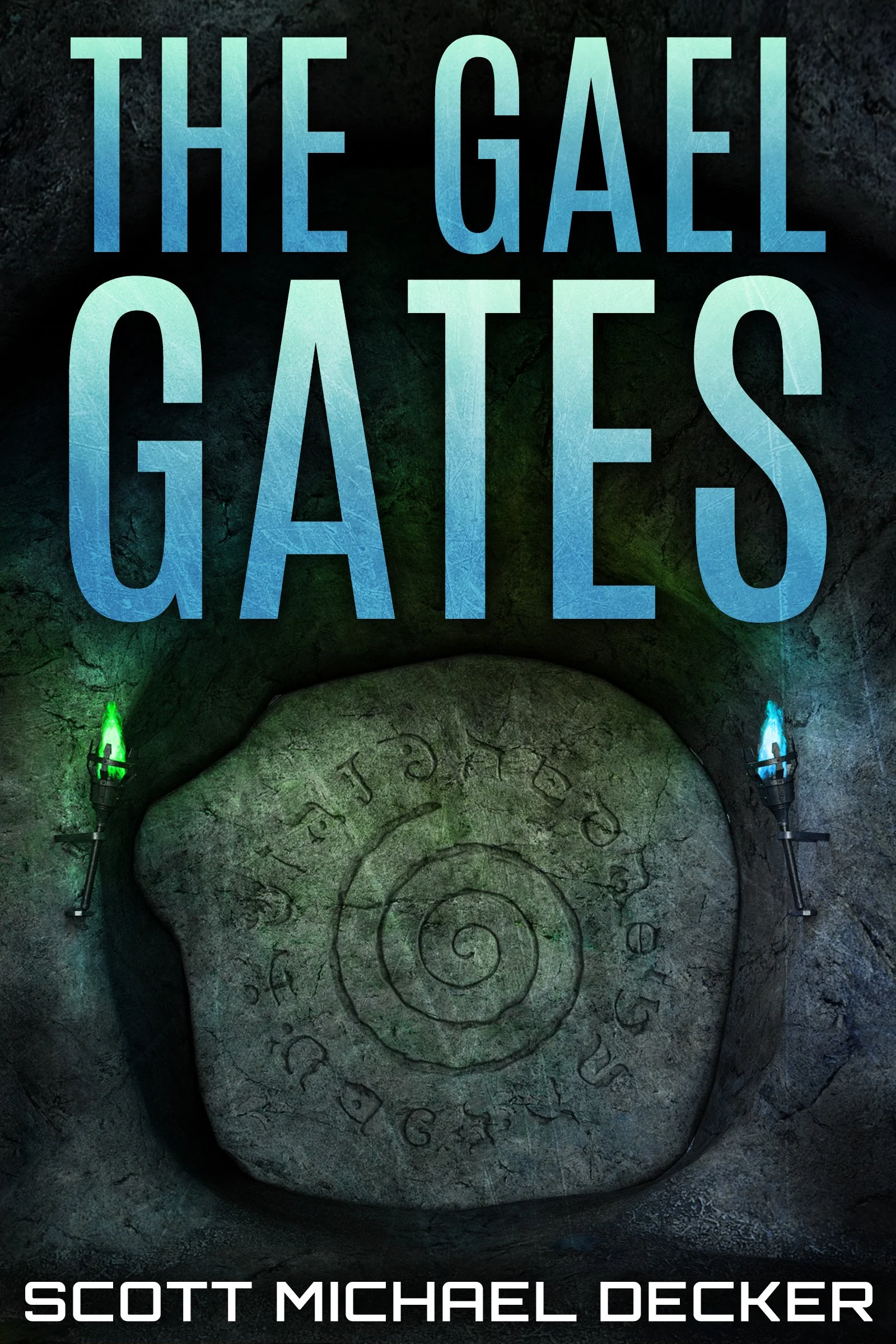
Science Saves Magic: Portal Mystery Unraveling
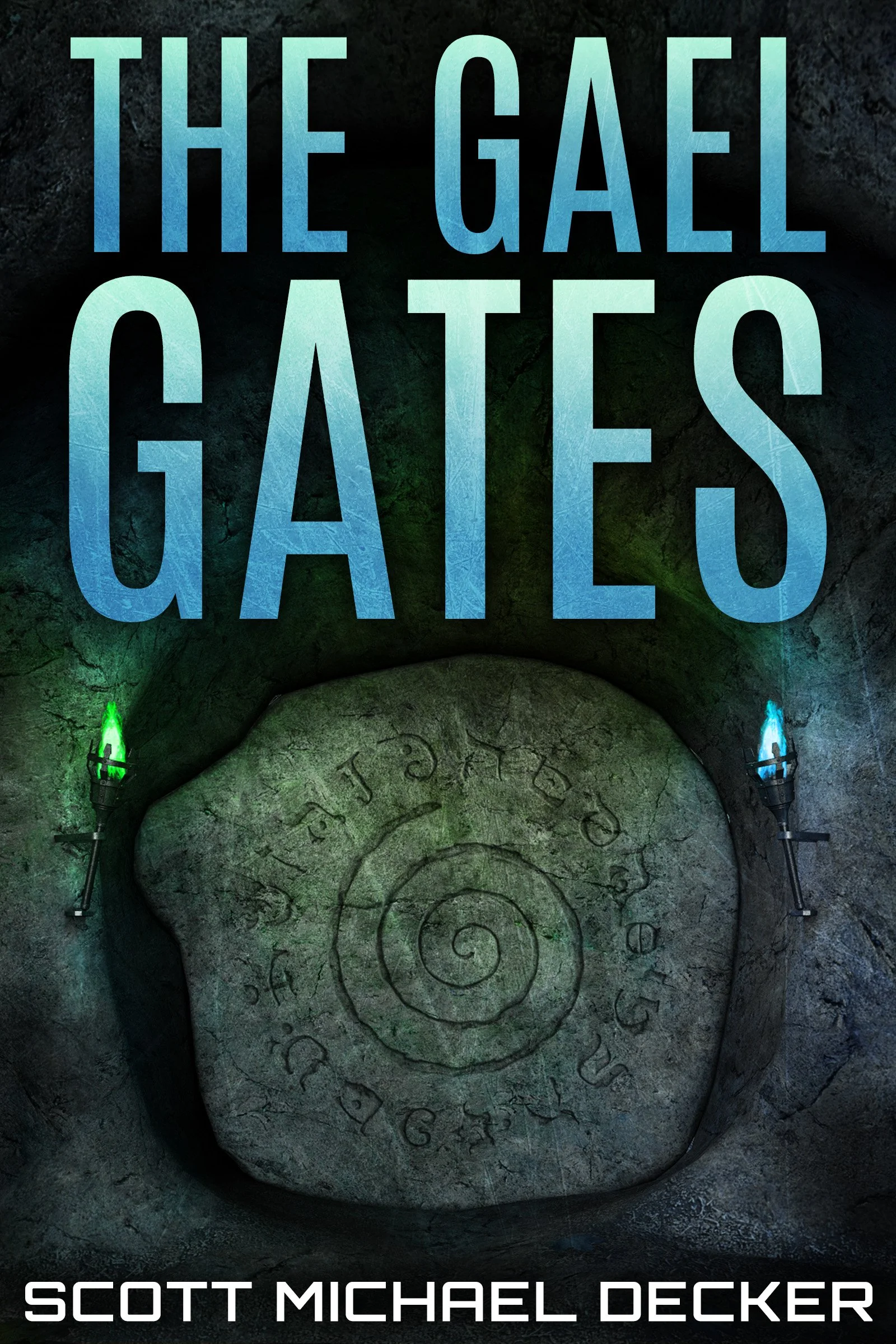
In The Gael Gates (Galactic Adventures Book 2), the tension between science and magic pulses beneath every inhabited world. The portals that once bound the Federation, the eponymous Gael Gates, begin to unravel—and with them comes a reckoning: can rational inquiry redeem a decaying system, or must arcane forces reclaim their place? At its heart, the story dramatizes the delicate question of how belief and calculation intertwine when everything is at stake.
Culann Penrose, a man schooled in forensic physics and once a Druid apostate, is thrust into this paradox. He orders the Gates shut, reasoning that the aging system is failing and will only unleash further catastrophe. In doing so, he reignites old resentments from Druid circles furious at his earlier denunciation of their arts. But as time ticks down, he realizes that the collapse is not merely mechanical—something elemental and supernatural has awakened, challenging the boundaries between his rational world and the hidden mysteries he long refused to accept.
This narrative tension—science seeking to prevent disaster, magic pushing back—is not a simplistic binary. Rather, it becomes a dance of mutual necessity. Culann’s struggle is not just external (to repair or contain the Gates) but internal: whether to resist or relent, whether to admit that some forces lie beyond measurement. In his investigation, he confronts the possibility that magic may not be a rival system but a complementary truth layered beneath technics—a coexistent logic that challenges his assumptions about what counts as evidence, authority, and meaning.
The vanishings into the portals—of a neophyte Druid, a starship commander, an archeologist—are not just narrative catalysts but symbolic fissures in the Federation’s veneer of order. The integrity of the Gates, the disagreements among technocrats and mystics, the countdown given by the Ceannaire all converge to emphasize fragility. Civilization has built its frameworks—political, scientific, religious—upon the Gates, and as they weaken, the world’s faith in those frameworks is tested. Culann’s journey compels readers to wonder whether structure survives only through faith in its scaffolding or through willingness to revise it.
There is grief here too—loss of old trust, of cosmic complacency, of belief in simple certainties. Culann must face that he once rejected magic too fully, that the Druids’ hostility is partly a wound from betrayal. Yet he also cannot ignore the empirical consequences: gates malfunctioning, portals bleeding new energy, an Elemental force bent on destruction. In the crucible of crisis, he must integrate rather than dominate. The question is not whether science or magic will win, but how one might save—or redeem—the other.
In the middle of cosmic collapse, The Gael Gates invites us to inhabit a liminal place, where frontier knowledge collides with mystery. Culann Penrose navigates thresholds—between worlds, between belief systems, between the known and unknown—and in so doing reminds us that what we call magic may yet be a form of science we have not learned, and what we deem science may be magical until we understand its frame.
Sed purus sem, scelerisque ac rhoncus eget, porttitor nec odio. Lorem ipsum dolor sit amet.