



Finding Purpose in Unexpected Places: Spiritual Awakening Through Struggle
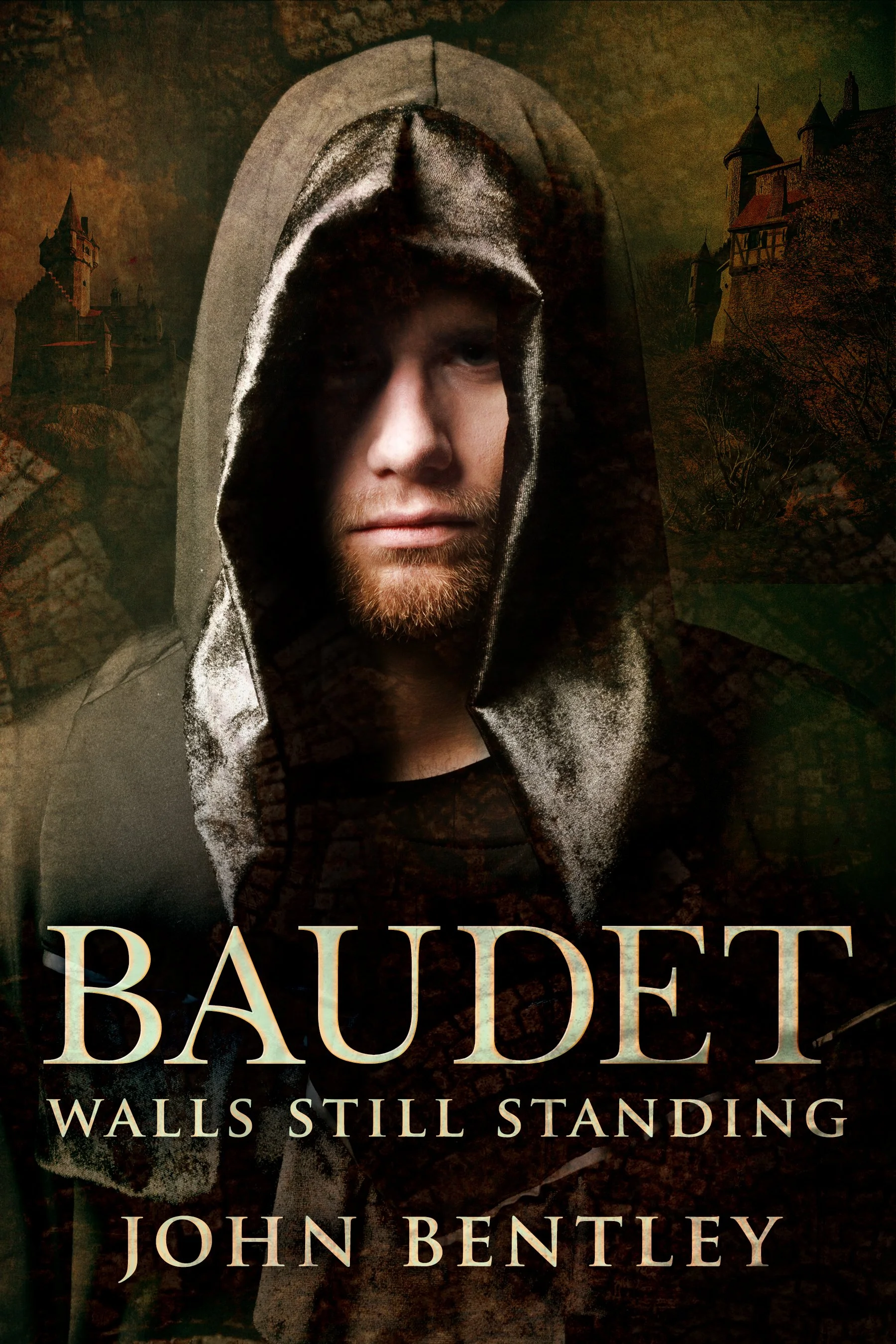
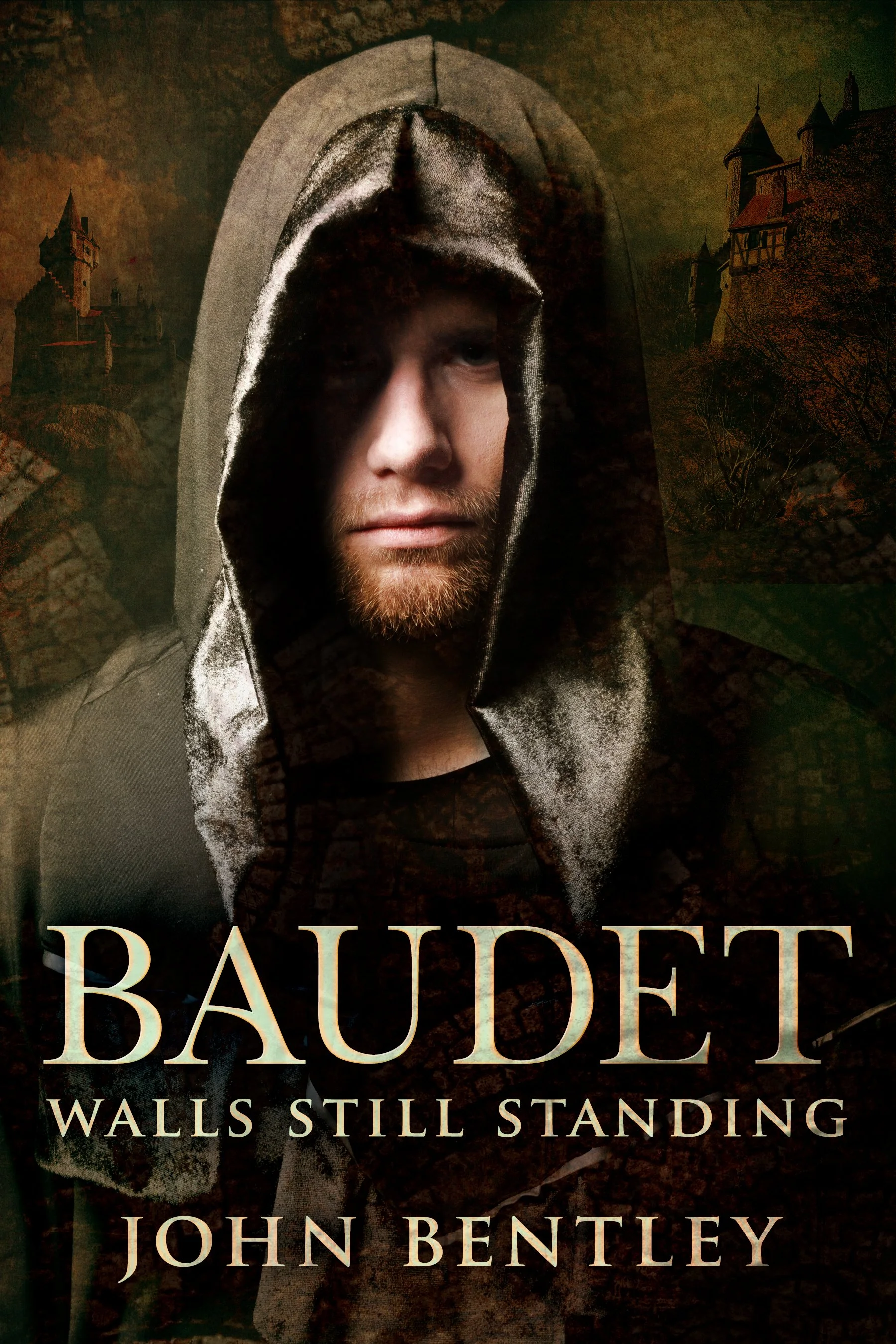
Some lives seem destined for greatness only in hindsight—after the dust of hardship settles and the quiet work of the soul has been done. In Baudet, John Bentley traces such a journey: a young man’s reluctant rise from obscurity to moral clarity in 17th-century France. Amid the grit of Marseilles’ Panier quarter and the austere walls of the Abbey Saint Victor, we watch a calling take shape—not with a trumpet’s fanfare, but through quiet resistance, small kindnesses, and unwavering devotion to those in need.
Baudet Desmarais doesn’t begin his journey as a hero. He leaves behind the village of Vordan with little more than the words of a mysterious old woman who insists he is meant to "do great things." Her prophecy, more burden than blessing, lingers as Baudet stumbles into Marseilles, a city full of temptation, poverty, and uncertain alliances. He is drawn to figures who offer him divergent paths: Criou, whose charm masks a pull toward petty crime, and Aldessa, whose beauty tempts Baudet into fleeting passion. These encounters could easily become detours or permanent derailments. Instead, they become tests—ways in which Baudet begins to discern who he is not, so that he might better understand who he is meant to become.
Spiritual awakening in Baudet is never simplistic. It is hard-won, built brick by brick within the monastery walls and tested by opposition from within. Father Philippe’s compassion, Aldessa’s elegance, and even Delbert’s corruption each play a role in forming Baudet’s moral compass. Where others see poverty as a stain or an inconvenience, Baudet sees dignity worth protecting. His vision of an almshouse for poor travelers is not merely charitable—it is redemptive. Not for the beneficiaries alone, but for Baudet himself. In choosing to serve, he finds the meaning that once eluded him in Vordan.
There is also an aching solitude that weaves through Baudet’s story. Mentor figures fall away. Delbert’s betrayal corrodes trust. And yet, Baudet remains. The very structure of the abbey—a place of stillness, shadow, and silence—mirrors the inner life he must confront. Faith here is not loud or dogmatic. It is lived through action, discipline, and a refusal to yield to cynicism. The prophecy of greatness isn’t fulfilled in grand gestures, but in the persistent courage it takes to believe in something larger than oneself.
Ultimately, Baudet is not just a narrative about rising through the church’s hierarchy. It is a meditation on how personal transformation is often triggered by displacement, how suffering can become a crucible for vision, and how redemption may begin in the least promising circumstances. For readers drawn to stories of spiritual depth and moral resilience, Baudet’s journey offers a subtle, stirring reminder: greatness often hides in humility.





Sed purus sem, scelerisque ac rhoncus eget, porttitor nec odio. Lorem ipsum dolor sit amet.